
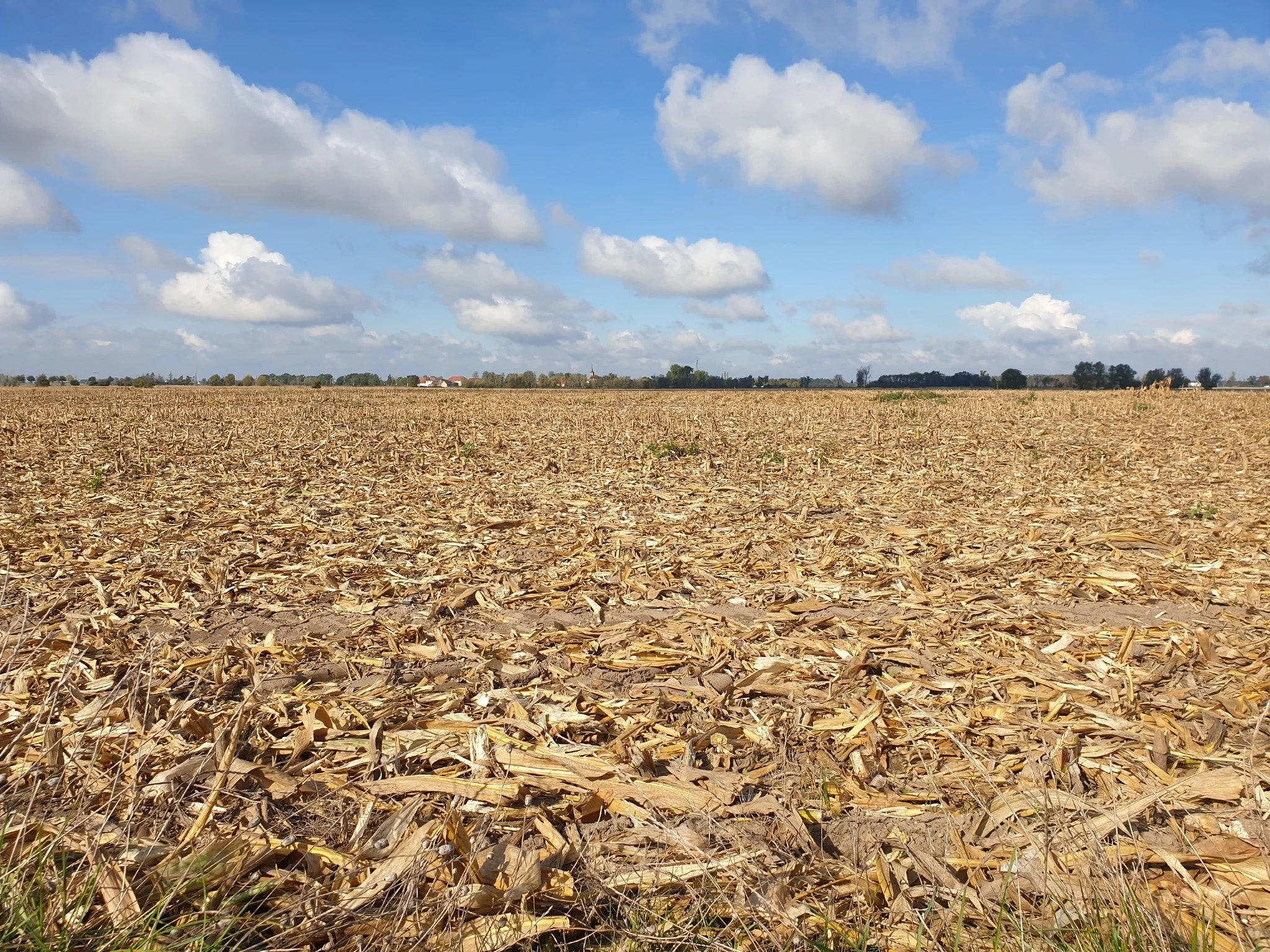
Extreme drought has expanded across North Carolina and now covers about a quarter of the state, according to the latest update from the North Carolina Drought Management Advisory Council.
The Nov. 19 classification shows extreme drought covering roughly 26 percent of the state, up from about 10 percent the previous week. Thirty-nine counties are now classified as being in extreme drought, with another 17 counties in severe drought. The conditions stretch across much of the Triangle, northern Piedmont, Sandhills, Coastal Plain, and parts of the coast.
WUNC reported that the extreme drought area more than doubled in the past week and now includes areas as far west as Rockingham and Guilford counties. Dare and Currituck counties on the Outer Banks are also in extreme drought for the first time since 2011. More than 5.6 million North Carolinians live in areas currently experiencing some level of drought.
Reservoirs remain low after months of below-normal rainfall. As of mid-November, Durham had about 76 days of easily accessible water remaining in its main reservoirs. Falls Lake, Jordan Lake, and other major water supplies are also below normal levels.
Governor Josh Stein has encouraged residents to conserve water and check with their local water systems for any restrictions. State officials note that only significant rainfall will improve the drought conditions. While a coastal storm may bring some rain to central and eastern North Carolina this weekend, forecasters say it is unlikely to provide widespread relief.
Western North Carolina has seen less severe conditions, with many mountain counties remaining only abnormally dry or drought-free. Residents across the state are advised to continue water conservation measures until rainfall totals improve.


